Guide to Commissioning Custom Landscape Photography for Your Hotel or Property
Custom landscape photography can transform a property from generic to unforgettable by anchoring the guest experience in a real sense of place. This guide walks property owners, GMs, and designers through how to plan and commission landscape artwork that feels uniquely “yours.”
Why commission custom landscape art
Custom photography is created specifically for your brand, your spaces, and your guests, rather than licensed out of a stock library. That makes the artwork more authentic, memorable, and aligned with the story you want every guest to feel the moment they walk in.
It reflects your actual surroundings: nearby mountains, desert light, city skyline, or local landmarks become part of your visual identity.
It avoids the “seen it everywhere” effect of mass‑market prints, which can make even beautiful properties feel generic.
Step 1: Clarify your brand and spaces
Before contacting a photographer, get clear on what you want the artwork to say about your property. A little pre-planning helps ensure the commission supports both design and brand goals.
Identify key feelings: calm retreat, energetic urban hub, spiritual escape, or nature‑connected sanctuary.
Walk your spaces: lobby, corridors, guest rooms, meeting rooms, spa, and restaurant, and note sizes, color palettes, and existing design features that the artwork should complement.
Step 2: Define the scope and budget
A commission goes more smoothly when you define scope and budget early, even if the details are still flexible. This helps the photographer propose the right approach, usage rights, and installation options.
Decide how many pieces and approximate sizes you need, and whether you want a cohesive series or a few feature “hero” images.
Set a realistic budget range that covers creative fees, travel (if needed), image licensing, printing, and installation.
Step 3: Choose the right photographer
For landscape-based hotel art, look for a photographer whose portfolio already shows both strong sense of place and an understanding of interior presentation. You want someone comfortable thinking in terms of mood, color, and large-scale printing, not just single “pretty shots.”
Review portfolios for consistency, print quality, and how well images would sit on a wall, not just on a screen.
Ask whether they’ve worked with hotels, restaurants, spas, or corporate interiors, and request examples of installed work if available.
Step 4: Plan a creative brief together
A concise creative brief aligns you, your design team, and the photographer. It does not have to be complicated, but it should spell out what success looks like for the project.
Include brand adjectives, color preferences, locations to feature, and any “must-have” seasonal or time‑of‑day looks (sunrise, twilight, night city lights).
Share floor plans or elevation drawings with rough art sizes so the photographer can compose with final installation in mind.
Step 5: Coordinate locations, timing, and access
Landscape commissions often depend on light, weather, and access, so logistics are crucial. Careful planning gives the photographer the freedom to chase ideal conditions without disrupting your operations.
Confirm shoot locations on or near your property, permits if needed, and any access times that work best for you and your staff.
Discuss seasonal elements (wildflowers, snow, monsoon clouds, fall color) and whether you prefer timeless or strongly seasonal imagery.
Step 6: Understand licensing and usage
Commissioning custom photography does not automatically mean you “own” the images outright; instead, you typically license them for specific uses. Clarity here prevents surprises later and protects both you and the photographer.
Specify where and how you will use the images: wall art only, or also website, brochures, social media, and advertising.
Decide whether you need exclusive use for your property, and for how long, so your artwork remains unique in your market.
Step 7: Select, proof, and print
Once the photographer delivers a curated selection, you move into the refinement and production stage. This is where images become physical art tailored to each wall.
Review a proofing gallery and narrow down to a cohesive set that supports your brand narrative across spaces.
Choose finishes (framed prints, acrylic, metal, canvas, or fine‑art paper), mounting options, and any custom cropping appropriate to each location.
Step 8: Installation and long-term care
Well-planned installation ensures the artwork feels integrated, not tacked on at the end of the design process. With the right care, high-quality prints can serve your property for many years.
Coordinate with professional installers so pieces are hung at the right height, with proper hardware and lighting to minimize glare.
Ask your photographer or printer for care guidelines, especially for high-traffic areas or pieces exposed to direct sunlight.
How to get started on your property
The easiest way to begin is with a short conversation: share a few photos of your spaces, your brand story, and the feelings you want guests to carry home. From there, a photographer can propose a custom landscape commission that turns your surroundings into a signature visual experience for your property.
Stock Art vs Bespoke
Stock artwork is pre-made imagery licensed for broad use, while bespoke photographic artwork is custom-created for a specific hotel or restaurant, its brand, and its spaces. Both have a place in hospitality, but bespoke work typically delivers stronger storytelling, differentiation, and long-term brand value, especially for design-led properties.davidsmith520photography+3
What stock artwork is
Stock artwork consists of ready-made images (photos, illustrations, digital art) that businesses can license quickly and often at relatively low upfront cost. These visuals are created for general use, so the same image can appear in many unrelated hotels, websites, and ad campaigns around the world.linkedin+1
For hospitality, stock art can fill visual gaps when there is limited time or budget, such as adding simple decor to back-of-house corridors or low-priority pages online. However, the generic nature of stock makes it harder to express a distinctive sense of place or the specific character of your property.natasiadesigns+1
What bespoke photographic artwork is
Bespoke photographic artwork is created specifically for your hotel or restaurant, usually through a commissioned photoshoot that captures your actual spaces, local landscapes, or carefully designed concepts aligned with your brand. The images are planned around your color palette, interior finishes, and guest experience, so they feel “built in” rather than added on.clairejenks+2
Because it is unique to your property, bespoke artwork becomes part of your signature—recognizable, ownable visual assets that no competitor can license or duplicate. This originality supports brand storytelling, from the lobby and guest rooms to your website, social media, and marketing campaigns.knightout+2
Key differences for hotels and restaurants
In hospitality, the contrast between stock and bespoke imagery shows up in authenticity, guest perception, and how well the art supports business goals.davidsmith520photography+1
AspectStock artwork in hospitalityBespoke photographic artwork in hospitalityAuthenticityOften depicts generic people, places, and food, which can feel staged or “anywhere in the world.”linkedin+1Shows real locations, local landscapes, and experiences connected to your property and destination.davidsmith520photography+1Brand fitSelected after the fact, so style, color, and mood may only partially match your interiors and branding.clairejenks+1Planned around your brand story, design vision, and guest journey from the start.davidsmith520photography+1UniquenessThe same image can appear on competitors’ websites, OTAs, or in other venues, diluting impact.linkedin+1Exclusive imagery that becomes part of your property’s visual identity and cannot be replicated elsewhere.davidsmith520photography+1Emotional impactFunctional decor that fills space but rarely sparks lasting memories or conversation.natasiadesignsCreates a sense of place, evokes emotion, and often becomes an “Instagrammable” feature guests share.davidsmith520photography+1Speed and costFast to obtain and usually lower upfront cost, though time spent searching can add hidden expense.natasiadesigns+1Higher initial investment and lead time, but delivers longer-term value across multiple channels.davidsmith520photography+1Licensing and controlUsage can be limited by license terms, and images may be pulled or overused by others.linkedin+1Clear rights tailored to your needs, with flexible use across print, web, and interior spaces.linkedin+1
Why bespoke artwork matters more in hospitality
For hotels and restaurants, imagery does more than decorate—it sets expectations and directly influences booking and dining decisions. Guests read your visuals as a proxy for service quality, attention to detail, and the uniqueness of the experience you offer.cs3design+2
Custom photographic artwork helps you tell a cohesive story: from the first impression on your website to the moment a guest steps into the lobby and finally relaxes in a room that reflects the local environment outside your windows. When the walls feature local landscapes, regional textures, and carefully composed scenes that echo your interiors, the result is a seamless, memorable sense of place that encourages return visits and word-of-mouth.davidsmith520photography+2
When stock still has a role
There are situations where stock artwork can be a practical choice alongside a core of custom work.littlewinterdesign+1
Early-stage properties or tight budgets: Stock can temporarily fill gaps while you plan a bespoke collection for key areas like lobby, bar, and signature suites.littlewinterdesign+1
Low-visibility or back-of-house locations: Hallways, staff zones, or secondary collateral may not require the same level of customization.natasiadesigns
Supplemental marketing content: Carefully chosen stock can support blogs and social posts, while your brand-defining visuals remain bespoke.littlewinterdesign
For design-forward hotels and restaurants, a hybrid approach often works best: invest in bespoke photographic artwork for guest-facing hero spaces and primary marketing channels, then use stock selectively where high-impact storytelling is less critical.davidsmith520photography+1
https://clairejenks.co.uk/stock-imagery-vs-professional-bespoke-imagery/
https://littlewinterdesign.com/blog/stock-or-bespoke-photography
https://www.linkedin.com/pulse/bespoke-vs-stock-imagery-mike-taylor-7irac
https://natasiadesigns.com/blog-all/2017/9/18/stock-artwork-versus-custom-artwork
https://podcast.hospitalitydaily.com/jiri-lizler-photography/
The Psychology of Photo Art
Photographic art is more than decoration - it is a silent companion that shapes mood, perception, and well-being. The human mind responds instinctively to images. Long before we learned language, our brains captured visual impressions and attached meaning to light, texture, and pattern. Consider the storytelling that petroglyphs of The Ancients that we see carved and painted on rock formations. That ancient dialogue between emotion and imagery continues today, whether we are standing before a sweeping mountain panorama or a quiet portrait framed in a hotel lobby.
Environments decorated with photography can calm or invigorate, connect or inspire. Studies in environmental psychology suggest that visuals drawn from nature - mountains, forests, water, open skies - reduce stress and lower blood pressure. Guests entering a space infused with such imagery often experience an immediate sense of ease and belonging. Photographs that evoke places of serenity help the mind recall balance, stillness, and renewal, even in bustling urban settings.
Context also plays a powerful role. In hospitality design, curated photographic art contributes to a property’s personality and emotional signature. Black-and-white cityscapes may sharpen alertness in a business suite, while desert light and organic textures soften a resort spa. Each composition interacts subtly with lighting, color palettes, and scale to influence how guests interpret the space and themselves within it.
Photographic storytelling deepens this effect. When an image carries a sense of place—an echo of the region’s landscapes, culture, or history—it activates memory and connection. A hotel guest may never visit the canyon in the photograph, yet still feel its openness and silence. This emotional resonance transforms interiors into experiences; it reminds people that beauty and meaning can be momentarily captured, then shared.
In essence, photographic art tunes the emotional tone of a space. It guides how people breathe, think, and remember their time there. Selecting the right image for a setting is not just an aesthetic decision—it is an act of emotional design.
Why Hotels Will Turn to Local Photographic Artworks in 2026
Hotels, restaurants and hospitality venues will increasingly turn to local photographic artworks in 2026, driven by a desire to create authentic guest experiences, foster community ties, and differentiate themselves in a crowded hospitality market.
The Rise of Local Photography in Hospitality
As the hospitality industry evolves, hotels are realizing the power of locally sourced artwork to tell compelling stories and heighten guest satisfaction. Local photographic artworks, featuring regional landscapes, landmarks, and cultural nuances, offer visitors a sense of connection to their destination much deeper than mass-produced décor. This shift is part of a broader trend toward authenticity and individualized guest experiences, which modern travelers value highly.
Authenticity Drives Guest Loyalty
Guests increasingly prefer hotels that reflect their surroundings, not those with generic decor found in chains around the globe. By integrating custom photography from local artists, hotels infuse personality into rooms and common areas, making each stay unique. This personalized touch helps build guest loyalty, encourages word-of-mouth recommendations, and generates shareable moments for social media.
Community and Sustainability
Partnering with local photographers strengthens a hotel’s relationship with its community. These collaborations support local economies, celebrate homegrown talent, and align properties with the growing demand for sustainable business practices. Guests increasingly notice and appreciate when hotels invest in local artistry rather than impersonal, mass-market art.
Differentiation and Branding
With competition fiercer than ever, hotels need distinct ways to set themselves apart. Local photographic artworks reinforce a property’s brand story and sense of place, whether through images of nearby natural wonders, bustling cityscapes, or cherished cultural events. This approach also makes marketing easier; hotels can highlight their unique art offerings in promotional materials and online listings, attracting guests seeking meaningful and memorable stays.
Conclusion: The Future Is Local In 2026! Expect to see hotels doubling down on local photographic artworks to enrich guest experiences, strengthen community ties, and define their brand identities. For hotel, restaurant and hospitality businesses alike, investing in bespoke, local imagery will be a distinguishing factor in creating spaces that guests remember and return to.
The Power of Local Art: Enhancing Hospitality Interiors through Bespoke Photography
Bespoke photographic artwork is not just another design element—it’s a powerful channel for shaping guest perception and elevating the hospitality experience. When thoughtfully curated for hotels and hospitality venues, custom photography can create lasting emotional connections, support brand storytelling, and set your property apart in a competitive market.davidsmith520photography+2
The First Impression: Visual Atmosphere
Guests make their first judgments visually, often before they arrive. Bespoke photographic artwork plays a crucial role in establishing a memorable first impression, offering guests a preview of the ambiance, culture, and personality of your property. Beautiful imagery—whether showing vibrant city scenes, tranquil landscapes, or artful details—welcomes guests with an immediate sense of place and intention. This visual invitation can drive booking decisions, boosting confidence and setting an uplifting tone for the stay.heidikirn+2
Storytelling and Emotional Connection
Custom art is a language. Thoughtful photography doesn’t simply fill walls—it frames moments and guides guests through a visual journey across lobbies, guest rooms, lounges, and event spaces. Art that reflects local culture, seasonal moods, or your hotel’s unique identity can help guests feel authentically connected to their surroundings and inspired by their experience. By moving beyond generic prints and incorporating bespoke works that tell your story, you foster emotion and build lasting memories.mike-butler+3
How Art Enhances Guest Experience
Sense of Escape: Carefully chosen artwork can transport guests—evoking the serenity of nature, the vibrancy of a city, or the comfort of home, helping travelers unwind and disconnect from daily routines.sumerinnovations+1
Wayfinding and Flow: Art provides subtle cues and orientation throughout the property, helping guests navigate intuitively from entry to amenity spaces to rooms.tambourine
Social Spaces: Artwork in dining areas or lounges sparks conversation, supports the atmosphere, and becomes an Instagrammable feature for guests to share.mike-butler
Personalization: Bespoke photography allows you to adapt themes for suites, meeting spaces, or special occasions, demonstrating attention to detail that guests appreciate.artisanhd
Differentiation and Competitive Edge
In the hospitality sector, standing out means embracing your brand character. Commissioning unique photographic artwork:
Delivers identity to boutique, luxury, or destination hotels, making every space distinctive.sumerinnovations+1
Attracts discerning travelers who seek experiences beyond cookie-cutter interiors.sumerinnovations
Supports marketing, as striking imagery leads to higher engagement online, improved booking rates, and better reviews.globalimagecreation+1
Can be updated seasonally or for special programs, keeping your brand fresh and relevant.davidsmith520photography
Collaboration and Curation
Working with photographers who understand your property’s operations and storytelling goals creates seamless integration between artwork and architecture. Flexible, collaborative shoots ensure that artwork not only fits the aesthetic but also complements lighting, flow, and guest movement.mike-butler
Local Stories, Global Appeal
Hotels that feature locally inspired artwork reinforce a connection with their community and destination. Guests notice the difference—details like indigenous landscapes, local artisans, or regional culture make for compelling stories and more meaningful stays.artisanhd+1
The Business Impact
High-quality, bespoke hotel photography delivers measurable benefits:
Increased bookings: Guests are drawn to properties with emotionally engaging and inviting visuals.heidikirn+1
Brand trust: Professionally curated art signals attention to detail and quality service.heidikirn+1
Social media engagement: Instagrammable spaces are organically promoted by guests, extending the reach of your brand.mike-butler+1
Practical Tips for Hospitality Managers
Audit your existing artwork and update with custom pieces that tell a story.
Collaborate with professional photographers who understand branding and guest experience.
Blend artwork with architectural and interior design themes for a cohesive journey.
Showcase your portfolio in brochures, social media, and booking sites to maximize ROI.
Bespoke photographic artwork does more than accentuate interiors—it enriches every moment of the guest’s stay, deepening connections and transforming a routine visit into an unforgettable experience. Curate intentionally, tell your property’s story, and let your art speak volumes.artisanhd+2
Art with a Sense of Place: Bringing Your Location Indoors
Every property has a story—woven through its surroundings, its architecture, and the people who pass through it. Great hospitality design doesn’t just decorate walls; it connects guests to that story. One of the most powerful ways to create this connection is through custom photography artwork that reflects the very essence of your location.
Bespoke photography captures what makes your destination unique—the soft light over nearby mountains, the rhythm of a city street, the calm expanse of a nearby lake. When these local scenes are brought indoors, they transform hotel interiors from generic to genuine, creating a sense of place that resonates with every guest who walks in.
Unlike stock art, custom photographic artwork is intentional. It’s curated specifically for your property—composed to complement your space, color palette, and brand narrative. Each image tells a story that is both local and personal, allowing guests to feel immersed in where they are rather than simply passing through.
Your walls can do more than hold art; they can hold meaning. Through bespoke photography, your hotel becomes not just a place to stay, but a reflection of its surroundings—a visual journey that grounds guests in authenticity, emotion, and experience.
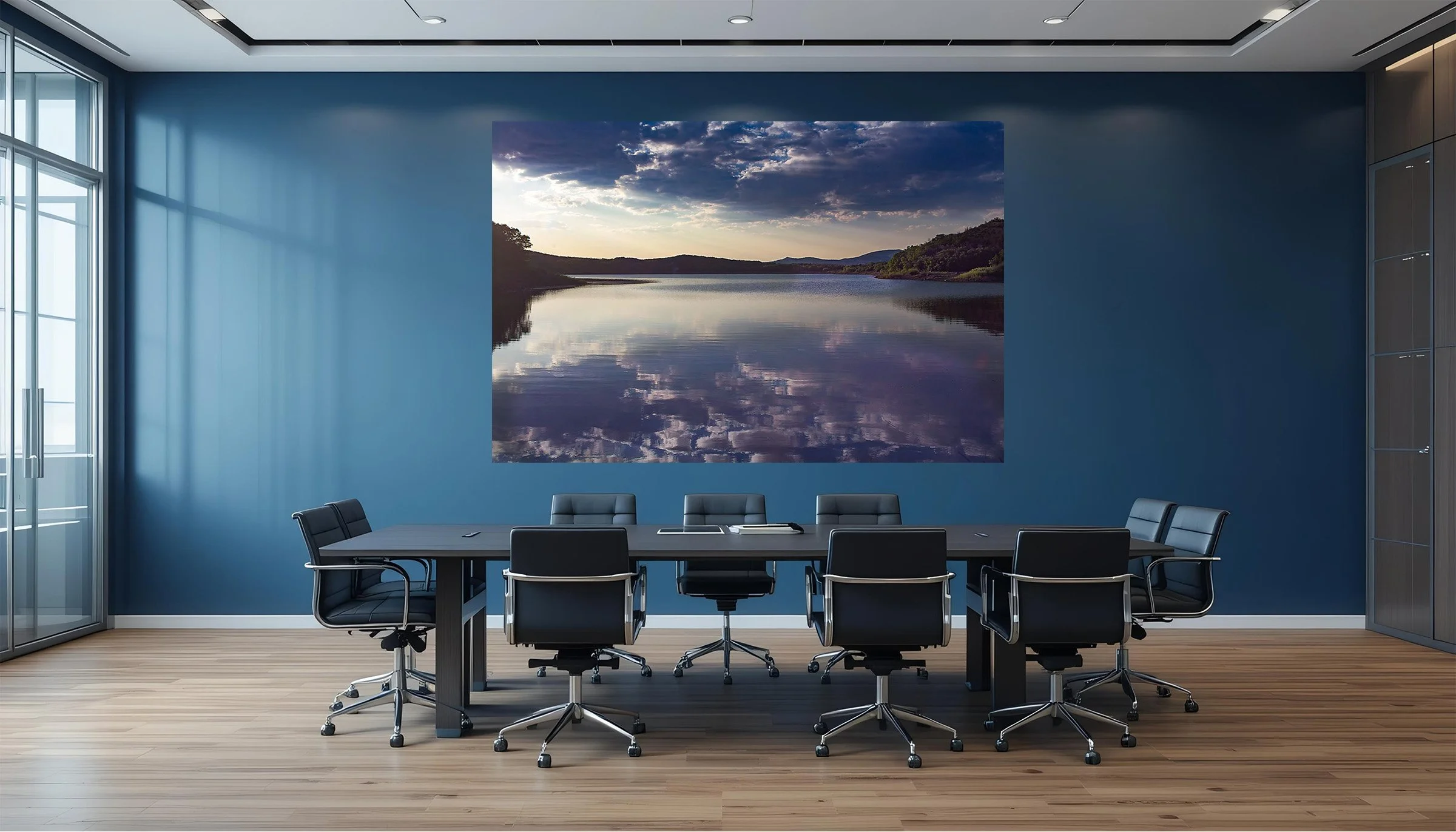
Bespoke Photo Art . . . Trend or Fad?
Bespoke photography is emerging as a major differentiator for upscale hotels and resorts in 2025. As luxury hospitality shifts toward authenticity, hyper-personalization, and immersive storytelling, curated photographic artwork has become central to how spaces express brand identity and evoke emotion. parthiban+2
The Rise of Experiential Design
Upscale hotels are moving beyond décor to craft multi-sensory narratives. Interior designers in 2025 emphasize layered textures, tactile richness, and storytelling through local art and imagery. Bespoke photography complements this shift by transforming walls into experiential canvases—images that evoke the surrounding landscape, cultural heritage, or emotional tone of the space. watg+1
Local Identity and the “Sense of Place”
Generic prints are disappearing from luxury guestrooms. Instead, hotels commission photographers to capture scenes that reflect their regional atmosphere—deserts, coastlines, or city skylines rendered in an abstract, mood-driven way. Whether it’s a soft, tonal desert landscape in a Sonoran resort or vibrant architectural compositions in an urban boutique hotel, localized artwork deepens the guest’s connection with place. wildapple
Sustainability and Subtle Luxury
Eco-conscious travelers influence visual design trends as well. Sustainable hotels are choosing earth-toned, nature-inspired photographic works printed on eco-friendly substrates. The “quiet luxury” aesthetic emphasizes calm palettes, organic light, and minimalist compositions—design elements echoed in bespoke photography that enhances serenity without overpowering the interior. parthiban+1
Technology Meets Craftsmanship
AI-enhanced editing and high-resolution printing now allow photographers to merge craft with innovation. From drone-based perspectives that celebrate a property’s natural surroundings to cinematic storytelling sequences shown in digital lobbies, technology integrates with fine art to amplify the atmosphere. The results appeal both to the emotional and aspirational desires of modern upscale travelers. spiltmilkwebdesign+1
Why Hotels Are Investing in Bespoke Photography
Luxury brands understand that curated visual narratives elevate the perceived value of a stay. Studies show high-quality, authentic visual content can boost guest engagement and bookings significantly. For designers and general managers, commissioning original photographic artwork is now viewed not as a decorative expense but as a brand investment—one that reinforces story, texture, and exclusivity throughout the guest journey. paulreiffer
Closing Thoughts
In 2025, bespoke photography sits at the crossroads of art, technology, and hospitality experience. For upscale hotels, it’s no longer about simply showcasing rooms—it’s about conveying atmosphere, emotion, and identity through imagery that resonates deeply with discerning guests. This trend transforms hotels into visual storytellers, where every photograph invites guests to become part of the story.
https://www.parthiban.photography/post/top-10-hotel-photography-trends-for-2025
https://spiltmilkwebdesign.com/photography-visual-storytelling-for-boutique-hotels-2025-guide/
https://www.paulreiffer.com/2025/05/does-great-photography-really-drive-luxury-hotel-bookings/
https://hospitalitydesign.com/news/hotels-resorts/hotel-design-trends-2025/
https://www.linkedin.com/pulse/future-hotel-interior-photography-trends-watch-shahid-adam-eu6nf
https://www.harpersbazaar.com/uk/travel/a63421971/luxury-travel-trends-2025/
https://thehostessstation.com/blog-hospitality-design-trends/
https://blog.space-pal.com/en/2025-photoshoot-trends-you-need-to-know-2/
https://interiorarchitects.com/press/8-hotel-design-trends-for-2025-according-to-designers/
https://hospitalitydesign.com/projects/hotels-resorts/hospitality-industry-trends/
https://www.1stdibs.com/blogs/the-study/interior-design-trends-2025/
https://matthewcornell.com.au/photography-trends-2025-whats-shaping-the-future-of-imagery/
Bespoke photography is emerging as a major differentiator for upscale hotels and resorts in 2025. As luxury hospitality shifts toward authenticity, hyper-personalization, and immersive storytelling, curated photographic artwork has become central to how spaces express brand identity and evoke emotion. parthiban+2
The Rise of Experiential Design
Upscale hotels are moving beyond décor to craft multi-sensory narratives. Interior designers in 2025 emphasize layered textures, tactile richness, and storytelling through local art and imagery. Bespoke photography complements this shift by transforming walls into experiential canvases—images that evoke the surrounding landscape, cultural heritage, or emotional tone of the space. watg+1
Local Identity and the “Sense of Place”
Generic prints are disappearing from luxury guestrooms. Instead, hotels commission photographers to capture scenes that reflect their regional atmosphere—deserts, coastlines, or city skylines rendered in an abstract, mood-driven way. Whether it’s a soft, tonal desert landscape in a Sonoran resort or vibrant architectural compositions in an urban boutique hotel, localized artwork deepens the guest’s connection with place. wildapple
Sustainability and Subtle Luxury
Eco-conscious travelers influence visual design trends as well. Sustainable hotels are choosing earth-toned, nature-inspired photographic works printed on eco-friendly substrates. The “quiet luxury” aesthetic emphasizes calm palettes, organic light, and minimalist compositions—design elements echoed in bespoke photography that enhances serenity without overpowering the interior. parthiban+1
Technology Meets Craftsmanship
AI-enhanced editing and high-resolution printing now allow photographers to merge craft with innovation. Curated images that celebrate a property’s natural surroundings lending cinematic storytelling sequences shown in digital lobbies, technology integrates with fine art to amplify the atmosphere. The results appeal both to the emotional and aspirational desires of modern upscale travelers. spiltmilkwebdesign+1
Why Hotels Are Investing in Bespoke Photography
Luxury brands understand that curated visual narratives elevate the perceived value of a stay. Studies show high-quality, authentic visual content can boost guest engagement and bookings significantly. For designers and general managers, commissioning original photographic artwork is now viewed not as a decorative expense but as a brand investment—one that reinforces story, texture, and exclusivity throughout the guest journey. paulreiffer
Closing Thoughts
In 2025, bespoke photography sits at the crossroads of art, technology, and hospitality experience. For upscale hotels, it’s no longer about simply showcasing rooms—it’s about conveying atmosphere, emotion, and identity through imagery that resonates deeply with discerning guests. This trend transforms hotels into visual storytellers, where every photograph invites guests to become part of the story.
https://www.parthiban.photography/post/top-10-hotel-photography-trends-for-2025
https://spiltmilkwebdesign.com/photography-visual-storytelling-for-boutique-hotels-2025-guide/
https://www.paulreiffer.com/2025/05/does-great-photography-really-drive-luxury-hotel-bookings/
https://hospitalitydesign.com/news/hotels-resorts/hotel-design-trends-2025/
https://www.linkedin.com/pulse/future-hotel-interior-photography-trends-watch-shahid-adam-eu6nf
https://www.harpersbazaar.com/uk/travel/a63421971/luxury-travel-trends-2025/
https://thehostessstation.com/blog-hospitality-design-trends/
https://blog.space-pal.com/en/2025-photoshoot-trends-you-need-to-know-2/
https://interiorarchitects.com/press/8-hotel-design-trends-for-2025-according-to-designers/
https://hospitalitydesign.com/projects/hotels-resorts/hospitality-industry-trends/
https://www.1stdibs.com/blogs/the-study/interior-design-trends-2025/
https://matthewcornell.com.au/photography-trends-2025-whats-shaping-the-future-of-imagery/